
This interview and blog post was prepared by PLOS One Associate Editor Daniel Parkes. Issa Atoum is an Associate Professor in the…
A Year of Editor Spotlight 2025: Tips from Academic Editors
 Top row (L-R): Srebrenka Letina, Janice Bossart, Adrián Diaz-Faes, Taiyi He, Eleni Petkari; Bottom row (L-R) Luísa Borges, Daniel Paiva Silva, Claudia Trindade Mattos, Pankaj Bhardwaj, Rachid Bouharroud
PLOS One Academic Editors share tips for editors, Early Career Researchers, and authors.
Tips on handling manuscripts
Ensuring objectivity and fairness in peer review, particularly in interdisciplinary fields, is both essential and challenging… I emphasise the importance of methodological soundness, but with high standards for clarity of reasoning, and I value transparency over disciplinary conformity or novelty alone.
I particularly value including reviewers with diverse backgrounds, as this provides authors with more rounded feedback. Whenever possible, I also try to involve both early-career and retired scientists.
I select scholars who have a high degree of expertise that aligns with the topic of the manuscript in need of review… I will then take into account my existing commitments and make a schedule for processing manuscripts.


My approach to reviewer selection focuses on identifying subject matter experts with strong publication records in reputable scientific journals, particularly those with expertise in both the research topic and methodologies employed.
Finding reviewers has gotten harder, particularly in certain fields. My go-to approach is to come up with a list of relevant keywords then search for potential reviewers in Google Scholar. I’ve learned over time that postdoctoral scholars tend to be the most willing to review manuscripts.
Tips for Early Career Researchers
[My advice for early-career researchers in Botany]: embrace complexity, but don’t lose your footing, be bold about your species, practice openness, and remember the “why.”
Advice for early-career researchers working in the plant protection and integrated pest management field: credibility supported by robust and rigorous methodology, be patient and don’t fall into the trap of publishing a high number of papers in a short time. Scientific rigor is more valuable than a high number of publications, focus more on applied research based on inter-disciplinary approaches that support farmers more efficiently.
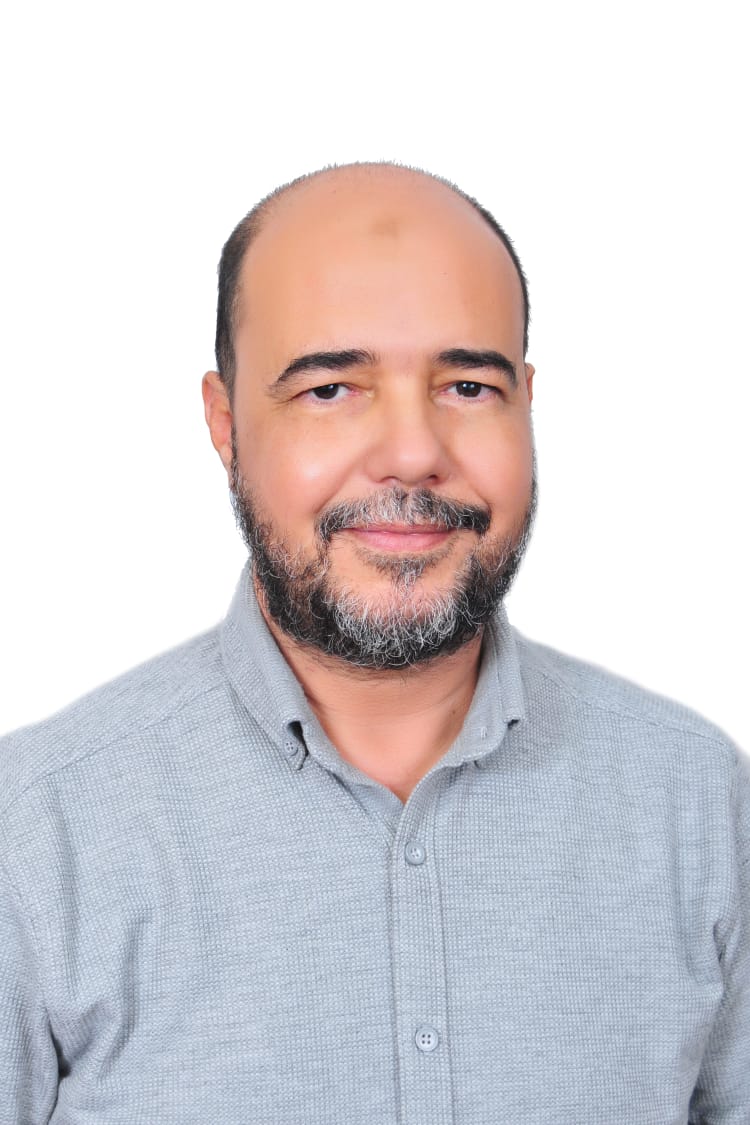
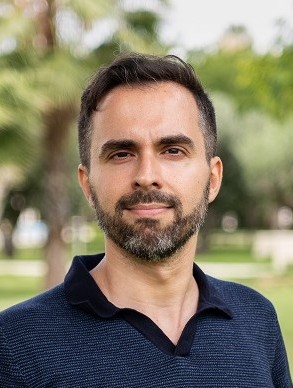
My advice, especially for junior researchers, is to actively engage with scholars from neighboring fields by attending conferences or events. This provides an opportunity to explore different approaches and ways of thinking about similar problems.
Tips for Authors

For me, clear and thoroughly crafted figures summarizing the methods employed by the authors in the research and the results they obtained certainly increase the understanding of reviewers and editors regarding the study, increasing its publishing chances in journals like PLOS One.
From the perspective of an author, always read the manuscript carefully before submitting it to PLOS One. Ensure consistency in spacing between paragraphs, decimal point retention, and reference formatting, and consider the logic of the introduction and abstract.

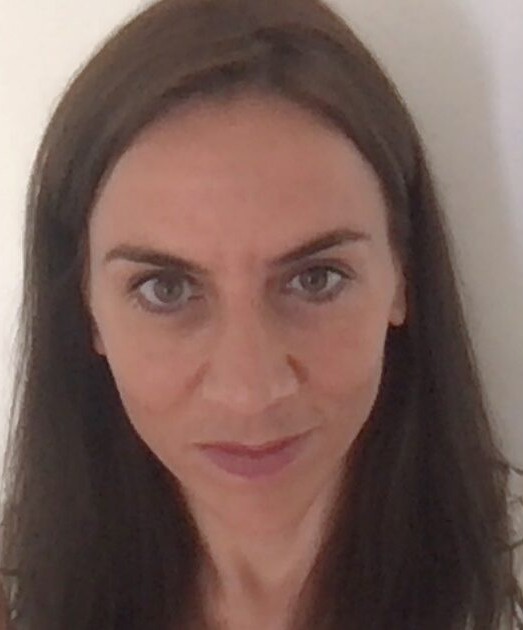
My advice for the authors is to produce manuscript that they themselves would enjoy reading in terms of strong theoretical rationale, clear and rigorous methodological procedures and meaningful discussions for research and practice.
I also personally feel that a manuscript should be largely self-contained. By that I mean that readers should not have to consult a bunch of cited references while reading a paper to make general sense of the experimental approach, data collection methods, and data analyses used.
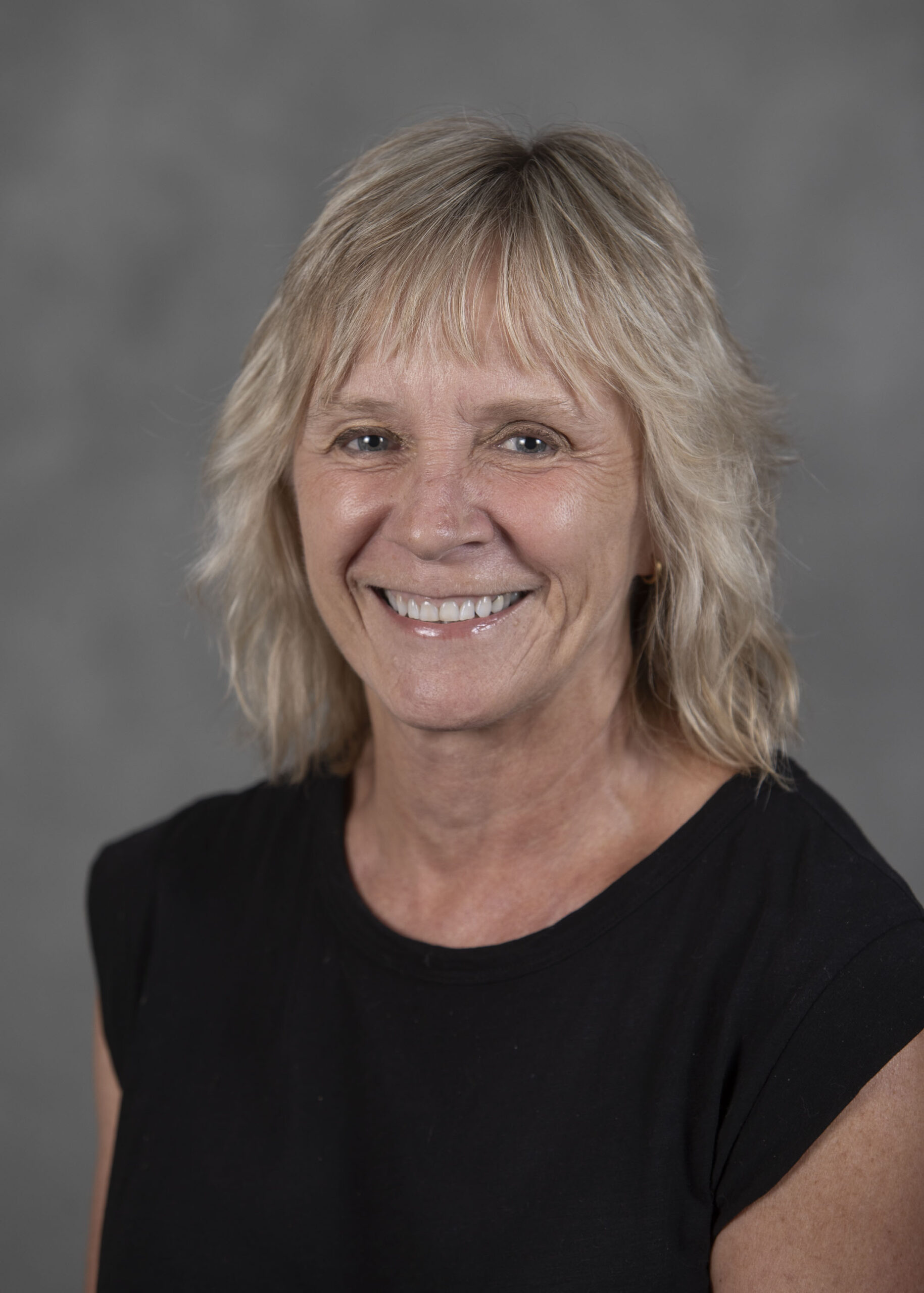
Disclaimer: Views expressed by contributors are solely those of individual contributors, and not necessarily those of PLOS.
Editor Spotlight series features engaged and dedicated PLOS One Editorial Board members who facilitate excellent peer review processes. If you’d like to be considered for the series, please fill out the interest form.